Wiz kid
AI Image Generation: Helpful Tool or Magic Wand?
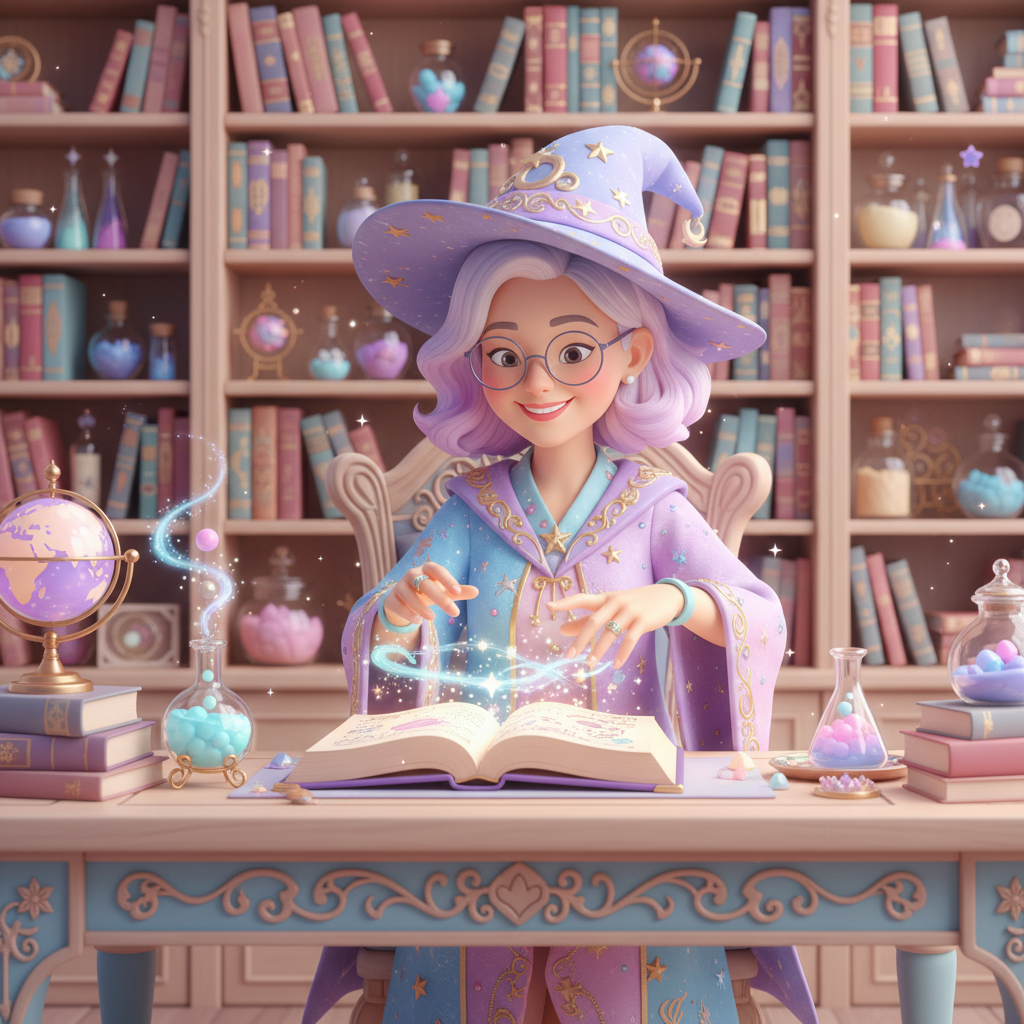
AI-generated image
I’ve spent a large chunk of my career as an art director doing what feels like an Olympic sport: endlessly scrolling through stock image sites. You know the drill. Search, scroll, squint, repeat. After hours of hunting, I’d usually find one or two images that kind of worked. Then came the Frankenstein phase: cutting, recoloring, and mashing them together into something presentable for a client deck.
If the client approved the idea, we’d then hand things off to a digital artist to create the “real” image from scratch. Concept → rough visual → final art. Effective, but painfully time-consuming.
This is where AI image generation actually makes sense.
At its best, generative AI compresses that same multi-step process into one tighter loop. Instead of hunting for stock, comping references, and explaining the vision verbally, you can generate a concept image directly. It’s faster, flexible, and gives you more control early in the process. Huge win.
But (and this is important) it’s not magic.
AI has real downsides. Used carelessly, it produces what many are now calling “AI slop”: generic, soulless images that all start to look the same. You’ve seen them—overly polished, vaguely uncanny, and completely forgettable. That usually happens when someone treats AI like a slot machine instead of a design tool.
Good results still require skill. You need to know how to write a strong prompt, how to guide the model, and how to use reference images thoughtfully. Lately, I’ll often start with a quick hand-drawn sketch and use that as a reference, then layer in specific style parameters. Composition, mood, lighting, texture—those decisions still come from a human brain trained in visual thinking.
In other words, AI doesn’t replace taste or judgment. It just accelerates the execution.
And honestly, this isn’t new. Design software has always changed every few years. I remember when people built entire websites in Photoshop (yes, I did that too—yuck). I used to do my work in Quark Xpress, then InDesign, then Sketch, then Figma. Each shift caused some hand-wringing, but I adapted and ended up stronger and more efficient.
I’m not a technophobe, and I’m not an AI evangelist either. I see AI image generation as what it actually is: a powerful tool. Used well, it saves time, expands creative exploration, and helps communicate ideas faster. Used poorly, it produces bland visuals no one remembers.
Like any tool, the value isn’t in the software it’s in knowing how to use it.
P.S. I use em-dashes in my writing because I like them—not because AI said so. ;)
